Best IPTV Encoder Box 2026 – Top IPTV Hardware for Streaming
Looking for the best IPTV encoder box to build your own professional streaming system? As IPTV technology continues to evolve, having the right hardware foundation is essential for delivering high-quality, reliable streams to your audience. Whether you’re a broadcaster, hotel operator, campus administrator, or private IPTV enthusiast, understanding the capabilities of modern IPTV encoder boxes can transform your streaming capabilities. In this comprehensive guide, we’ll explore the top IPTV encoder options for 2026, focusing on HDMI output, multi-channel support, low latency performance, and professional features that make these devices essential for building custom IPTV systems.
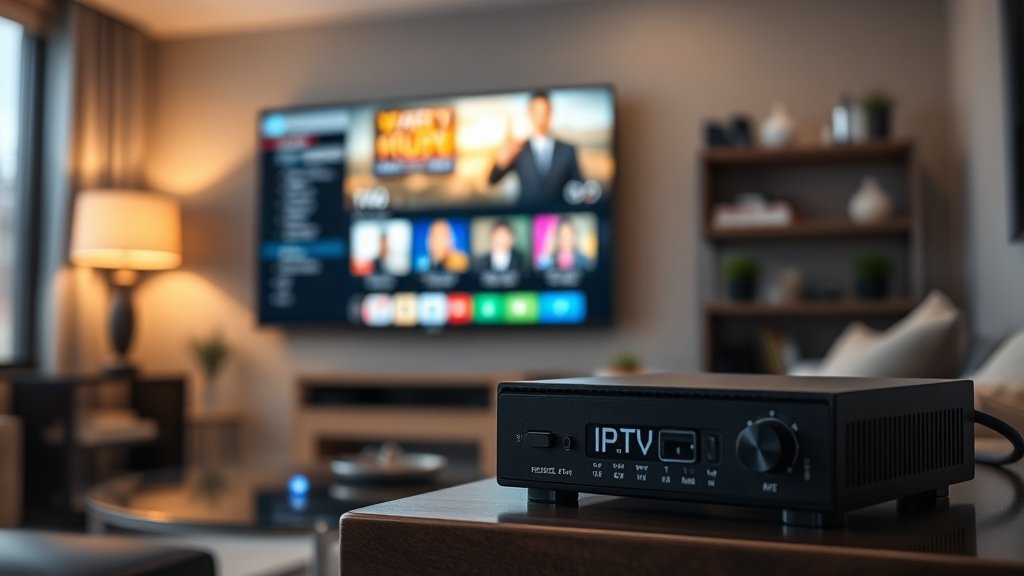
Top IPTV Encoder Box Options for 2026
The IPTV encoder market has evolved significantly, with manufacturers like Thor Broadcast, J-Tech Digital, and ProVideo Instruments leading the charge with innovative solutions. These devices have become more accessible while maintaining professional-grade performance, making them ideal for both commercial and private applications.
Understanding the Best IPTV Encoder Box for Live Streaming
An IPTV encoder box serves as the cornerstone of any streaming infrastructure, converting HDMI or SDI video signals into IP streams that can be distributed across networks. Modern encoder boxes support advanced codecs like H.264 and H.265 (HEVC), enabling efficient compression without sacrificing quality. The best IPTV encoder boxes for 2026 feature hardware acceleration, ensuring smooth encoding even at high resolutions like 4K UHD.
When selecting an encoder, consider compatibility with your IPTV apps and platforms. Many professional encoders support multiple output protocols including UDP, RTP, RTSP, and HTTP, making them compatible with various IPTV players and systems. This flexibility is crucial for building systems that can adapt to different viewing environments, from hotel rooms to campus dormitories.
HDMI IPTV Encoder Box for Multi Channel Streaming
Multi-channel HDMI IPTV encoder boxes represent the pinnacle of professional streaming hardware, allowing simultaneous encoding of multiple video sources. These devices are essential for operations requiring parallel streams, such as hotels with multiple channel offerings, campus television systems, or commercial broadcasting setups.
Key Features of HDMI IPTV Encoder Boxes
Modern HDMI IPTV encoder boxes offer impressive feature sets that justify their premium positioning. Look for devices supporting HDCP-compliant HDMI inputs, which ensure compatibility with protected content sources. Advanced models feature built-in audio embedding capabilities, allowing you to combine multiple audio tracks with video streams.
Network management capabilities are equally important. Professional encoder boxes typically include web-based interfaces for remote configuration and monitoring, plus support for SNMP (Simple Network Management Protocol) for integration into larger network management systems. These features are particularly valuable for commercial deployments where uptime and reliability are critical.
Benefits for Multi Channel Streaming
The primary advantage of multi-channel IPTV encoder boxes is their ability to consolidate multiple encoding tasks into a single hardware unit. This reduces rack space requirements, power consumption, and overall system complexity compared to using multiple single-channel encoders. For hotels implementing IPTV systems, this consolidation can significantly reduce installation costs while improving reliability.
These systems also offer synchronized channel switching capabilities, ensuring seamless transitions between streams for viewers. This is particularly important in commercial environments where professional presentation standards must be maintained. For those exploring cost-effective IPTV solutions, investing in quality multi-channel encoding hardware provides long-term value through reduced maintenance and operational costs.
Low Latency IPTV Encoder Hardware for Broadcasters
Latency is a critical consideration for live broadcast applications, where even small delays can impact viewer experience. Professional IPTV encoder boxes designed for broadcast applications implement specialized encoding pipelines that minimize end-to-end latency while maintaining video quality.
These devices typically feature hardware-accelerated encoding with dedicated processing chips that outperform software-based solutions. Many support sub-second latency configurations, making them suitable for applications where timing is critical, such as live sports broadcasts, real-time financial data feeds, or interactive video applications.
Advanced Features of IPTV Encoder Boxes
Modern IPTV encoder boxes have evolved beyond basic encoding functionality to include sophisticated features that enhance system flexibility, reliability, and performance. Understanding these advanced capabilities is essential for selecting the right hardware for your specific requirements.
IPTV Encoder Box with HDMI Output and H.264 Support
While HDMI input is standard for most encoder boxes, some advanced models also include HDMI output capabilities. This feature allows for local monitoring of encoded streams or integration into hybrid systems that require both IP distribution and traditional HDMI connectivity. H.264 support remains essential due to its widespread compatibility with IPTV players and devices, though H.265 (HEVC) support is increasingly important for 4K content delivery.
The combination of HDMI input/output with advanced codec support creates versatile devices suitable for diverse applications. For example, a hotel might use the HDMI output for local display in a lobby while simultaneously streaming the same content to guest rooms via IP. This dual functionality reduces hardware requirements and simplifies system architecture.
For users exploring different viewing options, understanding how encoder output integrates with various IPTV platforms and devices is crucial for creating seamless viewing experiences across different endpoints.
Professional IPTV Encoder Box for Custom Applications
Professional-grade IPTV encoder boxes offer customization capabilities that set them apart from consumer-oriented solutions. These devices typically include programmable APIs, allowing integration with custom control systems or automation platforms. This programmability is invaluable for creating bespoke IPTV solutions tailored to specific operational requirements.
Advanced models also feature redundant power supplies, hot-swappable components, and enterprise-grade networking interfaces. These reliability features are essential for mission-critical applications where downtime is unacceptable. For commercial deployments, choosing professional-grade hardware represents a long-term investment in system stability and maintainability.
Customization Benefits for Unique IPTV Needs
The true power of professional IPTV encoder boxes lies in their customization capabilities. Many support scripting languages for automating configuration changes, scheduled stream switching, or dynamic bitrate adjustments based on network conditions. This flexibility allows system administrators to create intelligent streaming solutions that adapt to changing requirements.
For organizations with unique content distribution needs, such as universities with specialized educational content or corporations with internal training materials, custom IPTV systems built on professional encoder hardware provide the control and flexibility needed to meet specific objectives. When combined with comprehensive EPG data, these systems can deliver professional-grade viewing experiences that rival commercial offerings.

Rackmount IPTV Encoder Box for Commercial Streaming
Rackmount IPTV encoder boxes represent the professional standard for commercial streaming installations. These devices are designed for integration into standard 19-inch equipment racks, with front-panel controls and status indicators for easy monitoring in data center environments.
Beyond their physical form factor, rackmount encoders typically offer superior thermal management, redundant networking options, and higher-density configurations than their desktop counterparts. Many support modular designs, allowing organizations to start with basic configurations and expand capabilities as needs evolve.
For broadcast facilities, hotels, or campus networks implementing large-scale IPTV distribution, rackmount encoder solutions provide the scalability and reliability needed for professional operations. Their standardized form factor also simplifies integration with existing infrastructure and facilitates maintenance through easy access to components.
Choosing the Right Multi Channel IPTV Encoder Box
Selecting the appropriate multi-channel IPTV encoder box requires careful consideration of technical specifications, operational requirements, and future scalability. The right choice depends on your specific use case, whether it’s for commercial broadcasting, hospitality services, educational institutions, or private entertainment systems.
Factors to Consider for Hotel and Campus Applications
Hotels and campuses present unique challenges for IPTV system implementation. These environments typically require reliable delivery of multiple channels to numerous endpoints, often with specific content requirements and access controls. When selecting encoder hardware for these applications, several factors deserve particular attention.
First, consider channel density requirements. Hotels often need to deliver a combination of satellite/cable channels, locally-generated content (like welcome messages or event schedules), and premium entertainment options. Multi-channel encoder boxes with sufficient input capacity to handle all required sources are essential. Look for devices supporting at least 4-8 simultaneous encodes for small to medium properties, with larger installations requiring 16-24 channel capabilities.
Content protection is another critical consideration, especially for hotels distributing premium content. Ensure your encoder supports necessary DRM (Digital Rights Management) protocols and HDCP compliance for protected HDMI sources. Integration capabilities with existing property management systems (PMS) can also streamline operations, particularly for hotels implementing advanced features like automated check-in/check-out channel access.
For campus applications, educational content delivery often requires specialized features like lecture capture integration, distance learning support, and compatibility with academic scheduling systems. Encoder boxes with flexible input options (supporting both HDMI and SDI sources) provide the versatility needed for diverse content types, from classroom lectures to campus event broadcasts.
Network infrastructure compatibility is equally important. Ensure your encoder supports the networking protocols used in your environment, whether that’s traditional unicast streaming for individual viewer control or multicast for efficient bandwidth utilization in large-scale deployments. For those exploring comprehensive IPTV solutions, understanding how encoder hardware integrates with broader distribution systems is essential for creating cohesive, reliable services.
Finally, consider management and monitoring capabilities. Professional encoder boxes should offer comprehensive remote management interfaces, detailed logging and reporting features, and integration with network monitoring systems. These capabilities are invaluable for maintaining service quality and quickly addressing any issues that arise in operational environments.
Frequently Asked Questions
What is an IPTV encoder box used for?
An IPTV encoder box converts HDMI or SDI video into IP streams, making it ideal for live streaming, digital signage, hotels, and private IPTV systems. These devices serve as the bridge between traditional video sources and modern IP-based distribution networks, enabling content delivery to various endpoints including smart TVs, mobile devices, and dedicated IPTV boxes.
How do I choose the best IPTV encoder box?
Choose an IPTV encoder box based on input type, codec support, stream quality, latency, channel count, and compatibility with your IPTV platform. Consider your specific use case—whether for commercial broadcasting, hospitality services, or private entertainment—and evaluate factors like network integration capabilities, management features, and scalability for future expansion.
Does an IPTV encoder box support low-latency streaming?
Yes, many modern IPTV encoder box models support low-latency streaming with H.264 or H.265 encoding for smoother live video delivery. Professional-grade devices often feature specialized hardware acceleration and optimized encoding pipelines that minimize end-to-end latency, making them suitable for applications where timing is critical.
Can an HDMI IPTV encoder box run multiple channels?
Yes, a multi-channel HDMI IPTV encoder box can encode and stream several video sources at once, which is useful for commercial and enterprise IPTV setups. These devices typically support 4, 8, 16, or even 24 simultaneous encodes, allowing consolidation of multiple streaming tasks into a single hardware unit for improved efficiency and reduced complexity.